


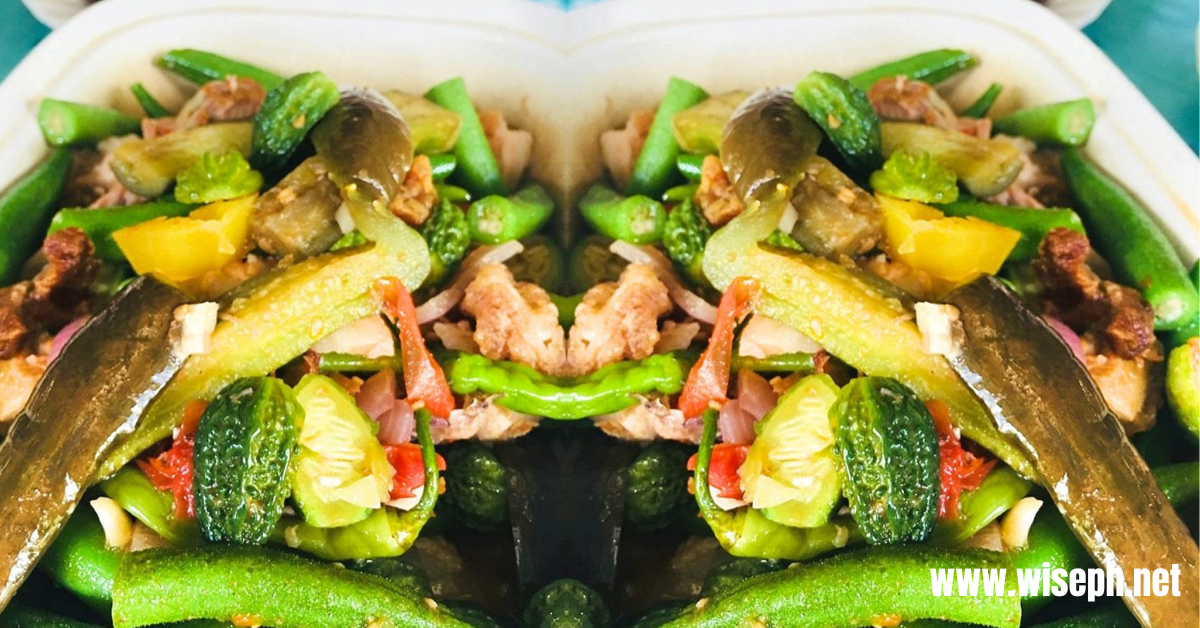
The word “pinakbet” does not mean “vegetable stew.” It comes from the Ilocano word pinakebbet, meaning “to shrivel.” That single word tells you everything about how the finished dish should look.
Properly made pinakbet has vegetables that are wrinkled, concentrated, and distinct. The sauce is dark and thick, not watery. If yours looks like soup, something went wrong before the first vegetable hit the pot. This pinakbet Ilocano recipe guide explains what went wrong and how to fix it.
What does “pinakbet” actually mean?
Pinakbet traces back to the Ilocano word pinakebbet, which means “to shrivel.” This isn’t just a name. In fact, it is a cooking instruction. The finished dish should have vegetables that are wrinkled, slightly collapsed, and dense with flavor, not floating in broth.
Specifically, the dish originates from the Ilocos region of the Philippines, where cuisine is built around frugality, fermentation, and technique. Backyard vegetables, fermented fish, and a clay pot were enough. The genius of pinakbet isn’t in the ingredients. It’s entirely in the method.
Most recipe articles today get the ingredient list right. This one, however, explains why the technique determines everything else.
Ilocano vs. Tagalog pinakbet: which bagoong should you use?
Let your protein decide. Bagoong isda (fermented fish, usually anchovies) creates a thin, pungent, savory broth ideal for seafood-based pinakbet. Bagoong alamang (shrimp paste) produces a thick, rich, slightly sweet glaze that pairs better with pork belly or bagnet. Both are correct. In fact, neither is universally superior.
| Type | Flavor Profile | Best Paired With | Sauce Texture |
|---|---|---|---|
| Bagoong Isda (Ilocano) | Pungent, clean, briny | Grilled fish, bangus, tilapia | Thin, savory broth |
| Bagoong Alamang (Tagalog) | Rich, slightly sweet, umami | Pork belly, bagnet, lechon kawali | Thick, sticky glaze |
My approach: when cooking with leftover grilled bangus or fried tilapia, I use bagoong isda. The fermented fish liquid complements seafood and keeps the dish clean and light. When using thick pork belly slabs, I switch to bagoong alamang. Rendered pork fat needs the chunky texture and slight sweetness of the shrimp paste to balance the richness.
Keep both in your pantry. Ultimately, the debate doesn’t have a winner. It has a context.
Traditional pinakbet ingredients: what belongs and what doesn’t
The traditional Ilocano pinakbet recipe uses native ampalaya, native eggplant, okra, sitaw (yard-long beans), tomatoes, ginger, and onion, steamed in bagoong isda broth with little or no added water. In rural Ilocos, camote (sweet potato) is the traditional thickener, not squash. The dish does not contain carrots, bell peppers, or cabbage.
| Category | Traditional Ilocano | Optional | Avoid |
|---|---|---|---|
| Vegetables | Native Ampalaya, Native Eggplant, Okra, Sitaw | Kalabasa, Patani, Camote | Carrots, Sayote, Cabbage, Bell Peppers |
| Aromatics | Lots of Tomatoes, Ginger, Onion | Garlic | Leeks, Celery |
| The Base | Bagoong Isda | Bagoong Alamang | Patis only, Soy Sauce |
| Technique | Steamed in own juices, no water | Small amount of water | Boiled or stir-fried |
The carrot is the most common mistake I see. Clearly, it belongs in a chopsuey, not in the earthy, fermented profile of a real pinakbet. Bell peppers and cabbage change the aroma completely, turning a pungent masterpiece into a generic vegetable soup.
One addition most recipe websites skip: patani (lima beans) or kadios (pigeon peas). Specifically, these add a nutty, grainy texture that makes the dish more substantial without overpowering the other flavors.
Choosing your protein and fresh ingredients
For protein, I personally prefer freshly butchered pork over processed or refrigerated cuts. Fresh pork has a clean, distinct flavor that preserved meat cannot replicate. Moreover, that freshness carries through to the final dish in a way that’s hard to describe until you’ve tasted both side by side.
Ingredient prices for fresh pork and native vegetables fluctuate weekly in the Philippines, particularly anything transported across islands. If your market prices are climbing unexpectedly, it usually tracks with the latest oil price update, since fuel runs through every step of the island supply chain.
How to cook pinakbet Ilocano-style: the panagkebbeng method
Ingredients (serves 4-6)
- 500g pork belly, freshly butchered, cut into 2-inch cubes
- 2 cups native ampalaya, cut into thick wedges
- 2 cups native eggplant, cut into large wedges
- 1 cup okra, whole (stems trimmed)
- 1 cup sitaw, cut into 2-inch pieces
- 1 cup camote or squash, cut into chunks
- 1/2 cup patani (lima beans), optional
- 4-5 large overripe tomatoes, quartered
- 1 large onion, quartered
- 3 thumb-sized pieces of ginger, sliced
- 3-4 tablespoons bagoong isda or bagoong alamang
- 1/4 cup water (only if tomatoes are not very juicy)
Step 1: Build the caramelized base
Render fat from the pork belly cubes in your palayok over medium heat. Once you have a pool of fat, add the onion, ginger, and tomatoes. Cook the tomatoes all the way down until they disintegrate and their sugars begin to fry in the pork fat. Wait for this. It takes time.
Then add the bagoong. Stir continuously for 10 to 15 minutes until the paste changes from bright pink or grey to a deep, dark mahogany. This removes the raw “fishy” odor and builds an umami-packed base. Rushing this step is the most common reason pinakbet tastes flat.
Step 2: Layer the vegetables by hardness
Pinakbet is layered, not mixed. Specifically, add vegetables in this order: camote or squash at the bottom, sitaw and whole okra in the middle, and eggplant wedges plus quartered tomatoes on top. Hold the ampalaya. It goes in last.
Step 3: Panagkebbeng (no-stir)
Cover the pot tightly and cook over low heat. Set the spoon aside. When liquid needs redistributing, grip the pot handles and shake it firmly in a vertical tossing motion. This is panagkebbeng. As a result, the vegetables tumble and absorb the broth without losing their shape.
The moment you stir with a spoon, however, the eggplant collapses, the okra tears, and the dish turns to mush.
Step 4: The last five minutes rule
Once the camote or squash is tender, tuck the ampalaya wedges into the gaps between the other vegetables. Cover the pot, turn off the heat, and let residual steam cook the ampalaya for five minutes. This keeps it bright green and slightly crunchy, and prevents its bitter compounds from leaching into the entire sauce.
Optional: The pre-grill technique
Before adding to the pot, char the eggplant and ampalaya over an open flame. Charring the eggplant gives it a smoky depth. Meanwhile, charring the ampalaya mellows its bitterness without squeezing out the natural juices. When these pieces are added in the final minutes, the dish takes on a fire-roasted complexity that sets it apart from the standard version.
Does the clay pot actually matter? The science behind the palayok
Yes, and the reason is chemistry, not nostalgia. A palayok has physical properties that directly affect the flavor and texture of pinakbet in ways a stainless steel pot cannot replicate.
| Feature | Palayok | Dutch Oven | Stainless Steel | Wok |
|---|---|---|---|---|
| Heat Retention | Excellent | Superior | Poor | Poor |
| Flavor Interaction | Softens acidity (alkaline clay) | Neutral | Neutral | Neutral |
| Moisture Control | Absorbs excess steam | Retains all | Can be watery | Fast evaporation |
| Best For | Authenticity and depth | Slow-cooking | Convenience | Crisp texture |
Clay is slightly alkaline. When it contacts the acidity of the tomatoes and the sharpness of the bagoong, the interaction rounds out the harsh edges, producing a smoother, deeper umami. A non-reactive metal pot, by contrast, leaves those sharp flavors intact.
Clay is also a poor heat conductor, which is actually an advantage here. Metal creates hot spots that scorch the bagoong at the bottom of the pot, turning it bitter. Clay, instead, distributes heat like a warm cushion from all sides, allowing vegetables to steam in their own juices rather than boil.
The best modern substitute is an enameled cast iron Dutch oven. Specifically, it shares clay’s high thermal mass and provides a similar mellowing effect. If using stainless steel, place a heat diffuser or flat cast iron griddle between the burner and the pot to prevent scorching.
Is pinakbet actually healthy? The nutrients most recipe sites skip explaining
Most articles say “pinakbet is healthy” and leave it there. The actual nutritional story, however, is more specific and more surprising.
| Nutrient | Source | Benefit | What Destroys It |
|---|---|---|---|
| Charantin + Polypeptide-p | Ampalaya | Mimics insulin; blood glucose support | Mashing or fine dicing |
| Mucilage (soluble fiber) | Okra | Binds cholesterol in the gut | Overcooking to slime |
| Nasunin (anthocyanin) | Eggplant skin | Protects brain cell membranes | Peeling the skin |
| Beta-carotene | Squash/Kalabasa | Converted to Vitamin A; eye and skin health | Eating without fat |
| Dietary Fiber | Sitaw, Patani | Prebiotic gut health; slows rice digestion | Overcooking to mush |
The beta-carotene point is the one most health blogs get wrong. Specifically, beta-carotene is fat-soluble. According to the NIH Office of Dietary Supplements, carotenoids require dietary fat for proper absorption by the body. The rendered pork fat in pinakbet isn’t an indulgence. In fact, it is biologically necessary to unlock the Vitamin A stored in the squash and eggplant.
Why the steaming method preserves the nutrients
Ampalaya’s medicinal compounds are documented in PubMed research on Momordica charantia for their insulin-mimicking effects on blood glucose. The Ilocano steaming method preserves these water-soluble compounds. In contrast, boiling pinakbet in excess water and discarding the broth is nutritionally the worst way to cook it.
Okra’s mucilage is documented in the USDA FoodData Central database as soluble dietary fiber that binds cholesterol and bile acids in the digestive tract. The FNRI-DOST tracks the nutritional profiles of Philippine indigenous vegetables and consistently documents pinakbet’s core ingredients among the most nutrient-dense in the local diet.
The four mistakes first-time pinakbet cooks make
The most common first-time mistake is adding too much water. After all, pinakbet means “shriveled,” not “soupy.” As soon as you submerge the vegetables in excess water, the flavors dilute, the textures go soft, and the dish loses everything distinctive about it.
| Mistake | The Result | The Fix |
|---|---|---|
| Adding 2+ cups of water | Pale, watery, flavorless broth | Use 1/4 cup max — let overripe tomatoes provide the liquid |
| Adding bagoong at the end | Raw, pungent, overwhelming funk | Sauté bagoong early until dark mahogany and toasted |
| Dicing vegetables small | Grey, uniform mush | Keep large chunks; leave okra whole |
| Stirring with a spoon | Broken skins, slimy textures | Shake the pot using panagkebbeng |
The bagoong aroma issue trips up a lot of first-timers, especially those who didn’t grow up with fermented fish in the house. Cook it early, and cook it long. Sauté the bagoong with the tomato base until it smells toasted rather than pungent. That process converts the raw funk into savory umami depth. The aroma in your kitchen shifts completely. That’s when the base is ready.
The “chop-and-stir” instinct comes from Western cooking, where small uniform pieces and frequent stirring mean even cooking. In pinakbet, however, both habits produce the wrong result. Small pieces overcook fast and break apart. Stirring destroys the skins of the eggplant and okra. Instead, keep everything in large chunks, put down the spoon, and let the panagkebbeng do the redistribution work.
How Ilocanos serve pinakbet for celebrations
The bagnet crown
At weddings and fiestas, large golden slabs of bagnet (Ilocano crispy deep-fried pork belly) are laid across the top of the vegetables just before serving. The bagnet is never stirred into the pot, as doing so makes the skin soggy and ruins the contrast. Instead, it sits on top: dark, earthy vegetables underneath, glistening crisp pork above. If you appreciate bold Filipino pork cooking, lechon baboy follows the same philosophy of fat, crispness, and ceremony.
The heritage rice pairing
A proper Ilocano festive table uses heritage rice from the nearby Cordillera: Tinawon (cream-colored heirloom rice) or unpolished red rice, served in a large bila-o (woven bamboo tray) lined with wilted banana leaves. These varieties have a nutty, floral aroma and a firm, chewy texture that holds up against the deep, salty broth of pinakbet in a way plain white rice doesn’t.
The sawsawan station
No celebratory Ilocano table is complete without a dipping saucer of bagoong monamon mixed with squeezed kalamansi and crushed siling labuyo. Final seasoning at the table, not in the kitchen, is a hallmark of Filipino communal dining.
A proper Ilocano feast rarely features pinakbet alone. Ilocano sinanglaw is almost always on the same table, its clear, gingery broth providing a clean contrast to the dark, fermented intensity of the pinakbet.
| Element | Everyday | Celebratory |
|---|---|---|
| Protein | Pork scraps or fried fish | Crispy bagnet slabs |
| Rice | Standard white rice | Heirloom red rice or Tinawon |
| Vessel | Melamine bowl | Palayok or banana-leaf-lined bila-o |
| Condiments | None needed | Bagoong + kalamansi + chili dip station |
Pinakbet is not a complicated dish. Rather, it is an honest one. Every shortcut appears in the final plate.
Skip the caramelization and the base tastes raw. Similarly, add too much water and you lose the shriveled texture that defines the dish. Stir with a spoon and you get mush. Add carrots and bell peppers and the dish stops being pinakbet altogether.
Follow the panagkebbeng method. Also, let your protein guide your bagoong choice. Let the clay pot do what clay pots have always done. And let the bitterness of the ampalaya stay exactly as it is: the soul of the dish, not a problem to be corrected.
If you enjoy the bold, unapologetic character of regional Filipino cooking, Pampanga sisig is another dish built on the same logic: humble cuts, a fermentation or acid element, and a technique that transforms everything. Browse more Filipino delicacies on WisePH.
Frequently asked questions
What is the difference between pinakbet and pakbet?
They are the same dish. “Pakbet” is the contracted, everyday Ilocano term. “Pinakbet” is the full formal version used in standard Filipino. Both refer to the traditional Ilocano vegetable stew.
Can I make pinakbet without bagoong?
Technically yes, but the dish loses its defining character. Bagoong is the fermentation base that gives pinakbet its umami depth. A small amount of patis (fish sauce) can approximate the flavor, but the result will be lighter and less complex.
Why is my pinakbet too bitter?
The ampalaya was either added too early, cooked too long, or the white pith and seeds were not properly scraped out. Add ampalaya only in the last five minutes over residual heat. Remove the white spongy layer completely with a metal spoon before slicing.
What is the panagkebbeng method?
Panagkebbeng is the Ilocano technique of shaking the pot instead of stirring. Once the vegetables are layered and cooking, grip the pot handles and toss the contents with a firm vertical shake. This redistributes the broth without breaking the structure of the vegetables.
Can I use a regular pot instead of a palayok?
Yes. The best substitute is an enameled cast iron Dutch oven. It shares the palayok’s high thermal mass and similar low-and-slow heat distribution. If using stainless steel, place a heat diffuser between the burner and the pot to prevent scorching the bagoong.











Comments 3