


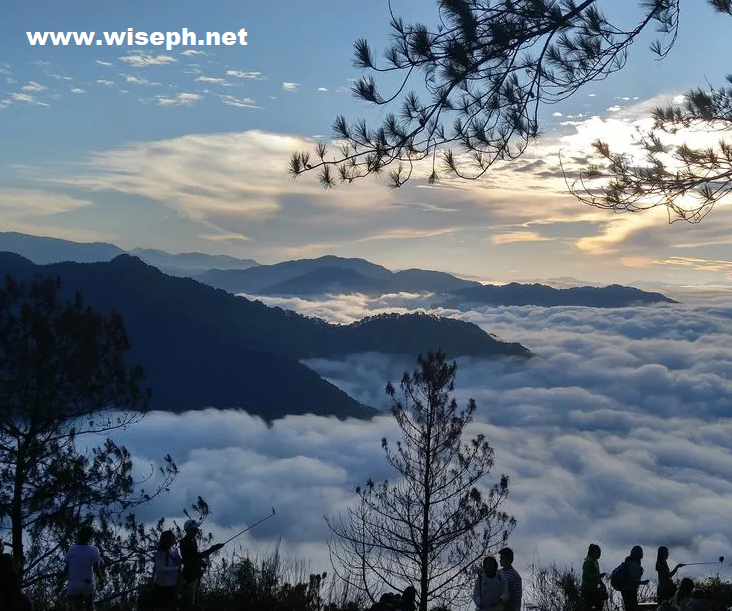
What is Sagada, Mountain Province?
Sagada is a municipality in Mountain Province, Cordillera Administrative Region, northern Luzon, Philippines. It sits at roughly 1,500 meters above sea level, which explains both the cool climate and the views that people talk about for years after visiting.
| Detail | Info |
|---|---|
| Location | Mountain Province, Cordillera, Northern Luzon |
| Elevation | Approximately 1,500 meters above sea level |
| Climate | Cool to cold year-round (8-22°C) |
| Best months to visit | January to April |
| Minimum recommended stay | 3 days |
| Nearest major city | Baguio City (5-6 hours by road) |
Granted, Sagada is not a resort town. There are no malls, no beach clubs, no big commercial strips. What it has is forest, cold air, ancient burial sites, and a quiet that visitors consistently say they were not prepared for.
Sagada has been on my list for years. I have not made it there yet, but between friends who have gone and research I have done while planning my own trip, this guide covers what actually matters — including the parts most travel content skips.
What to expect when you arrive
The first thing people consistently mention about Sagada is the silence.
Not an empty silence. Rather, it is the silence of a place that has always been this way. A friend who visited described it this way: “You can actually hear yourself think there.” That stuck with me because she expected adventure, not that kind of peace.
Then there is the cold. Sagada is genuinely cold by Philippine standards, particularly in the early mornings. Temperatures can drop to 8°C or lower during peak dry season. If you pack like you would for a typical Philippine trip, you will regret it.
Third is the pace. Naturally, everything in Sagada moves slowly. The roads are narrow, the trails take time, and locals are not in a rush. Friends who tried to cram everything into two days say they left feeling like they missed the whole point. The place is designed to be taken slowly.
Top tourist spots in Sagada
Sagada has more depth than most tourist content suggests. So here is what is worth your time.
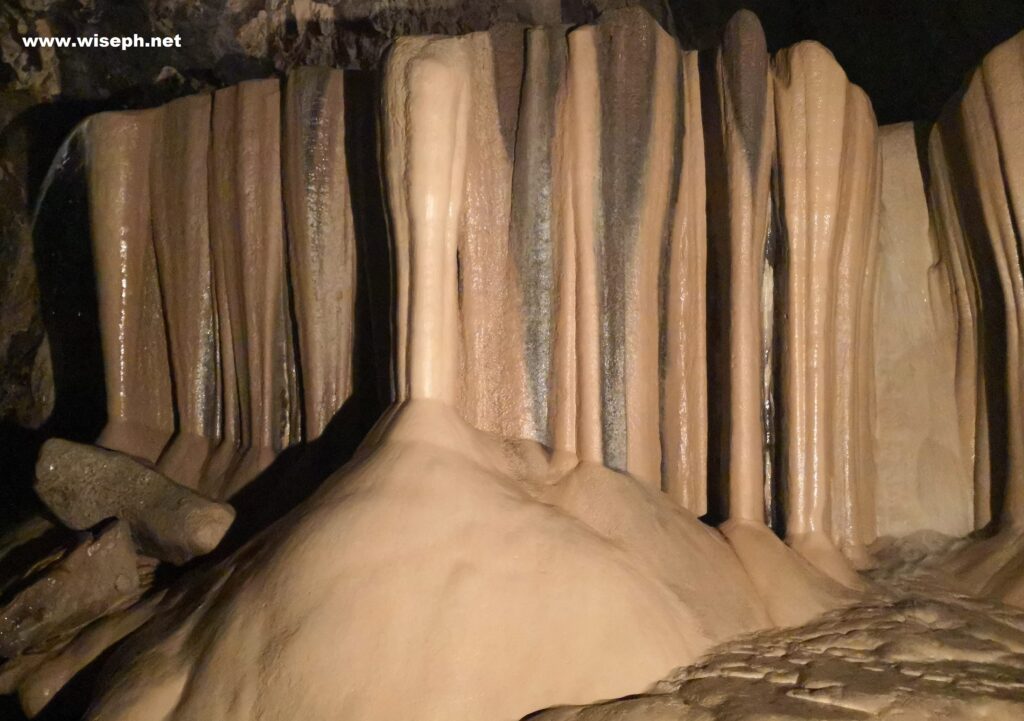
Sumaguing and Lumiang Caves
These are Sagada’s most physically demanding attractions. Sumaguing Cave requires wading through water and climbing rock formations with a guide. Lumiang Cave has over 100 ancient burial coffins stacked at its entrance. The cave connection tour links both and takes roughly 3-4 hours. A local guide is required for both. Also, do not attempt either without one.
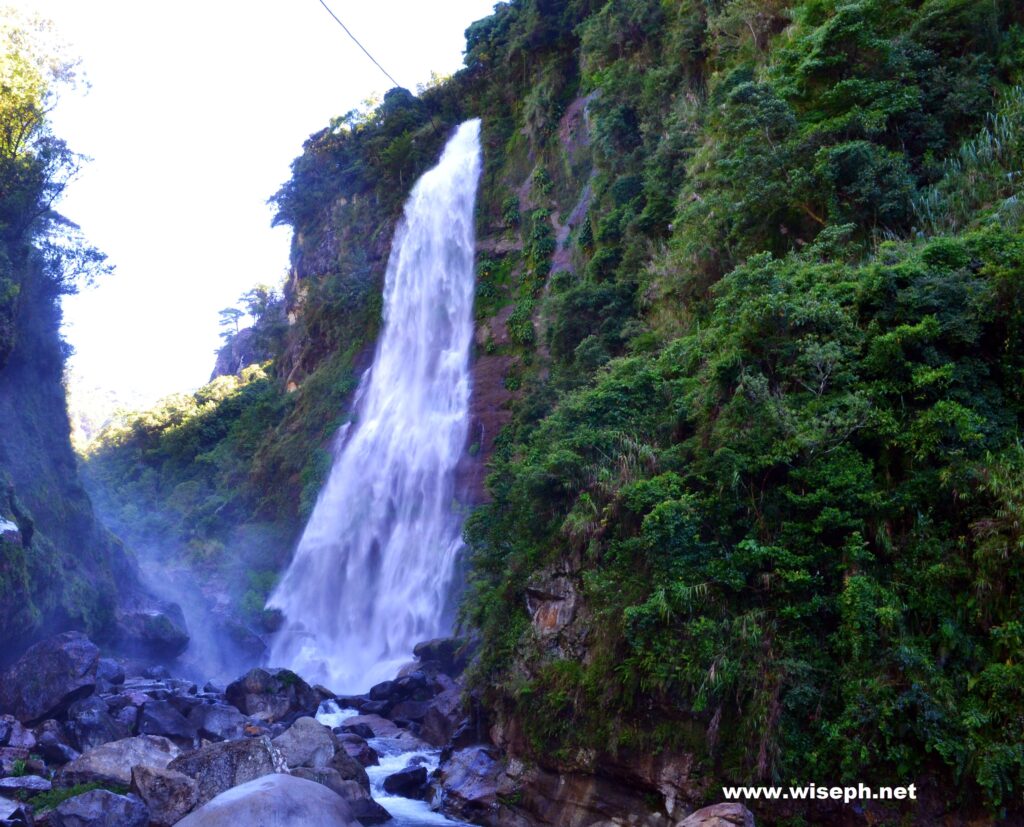
Bomod-ok Falls
One of the largest waterfalls in the Cordillera region. Getting there requires a 2-3 hour round-trip hike through rice terraces and mountain trail. The hike is genuinely part of the experience. Bring water, wear trail shoes, and go early in the morning.
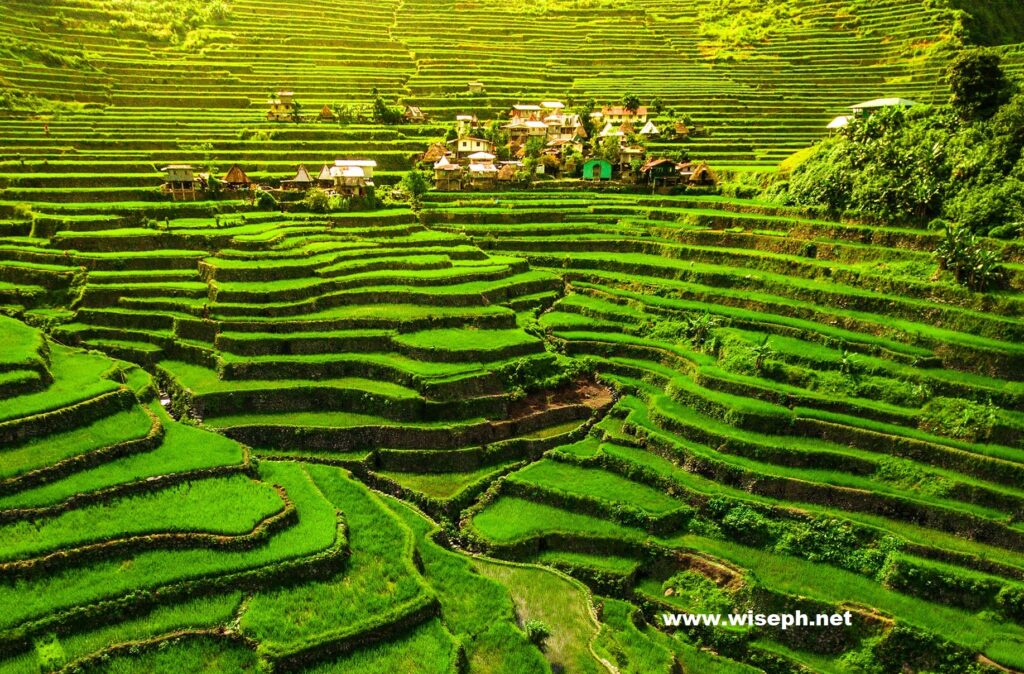
Rice terraces
Sagada’s rice terraces are less famous than those in Banaue, but the views from the trails above are some of the best in the area. Late afternoon, when the light drops, is the best time to walk through them.
Lake Danum
A small crater lake surrounded by pine trees. Most visitors skip it in favor of the caves. Worth adding if you have a fourth or fifth day and want a slower stop.
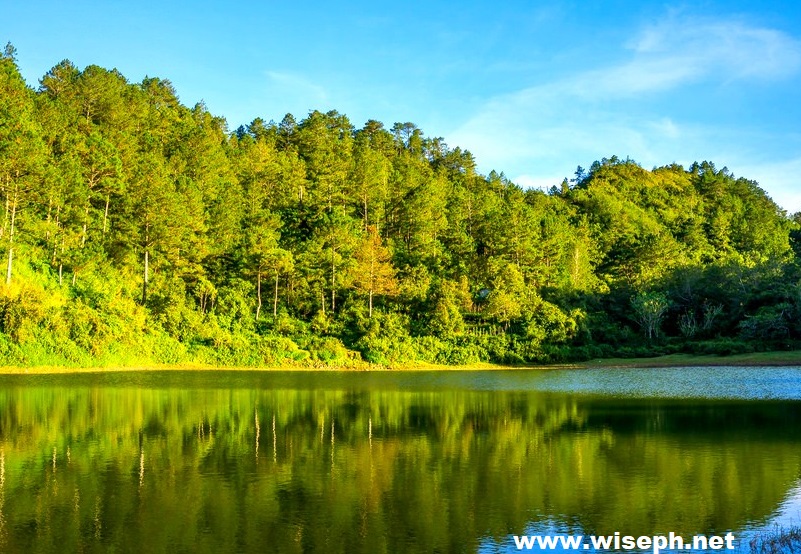
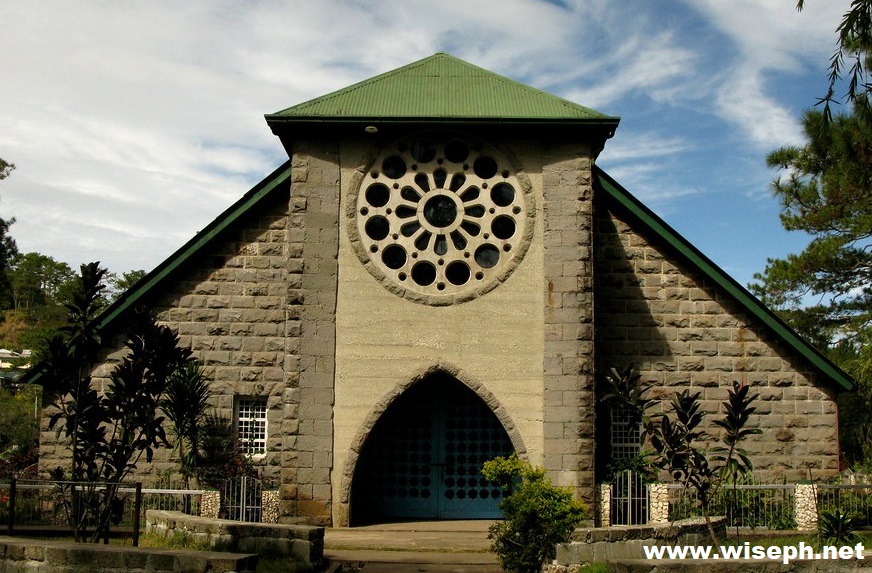
St. Mary the Virgin Church
A historic Episcopal church from the American colonial period, still active and sitting at the center of town. Simple, well-preserved, and worth a few minutes of your time to understand the layered history of the area.
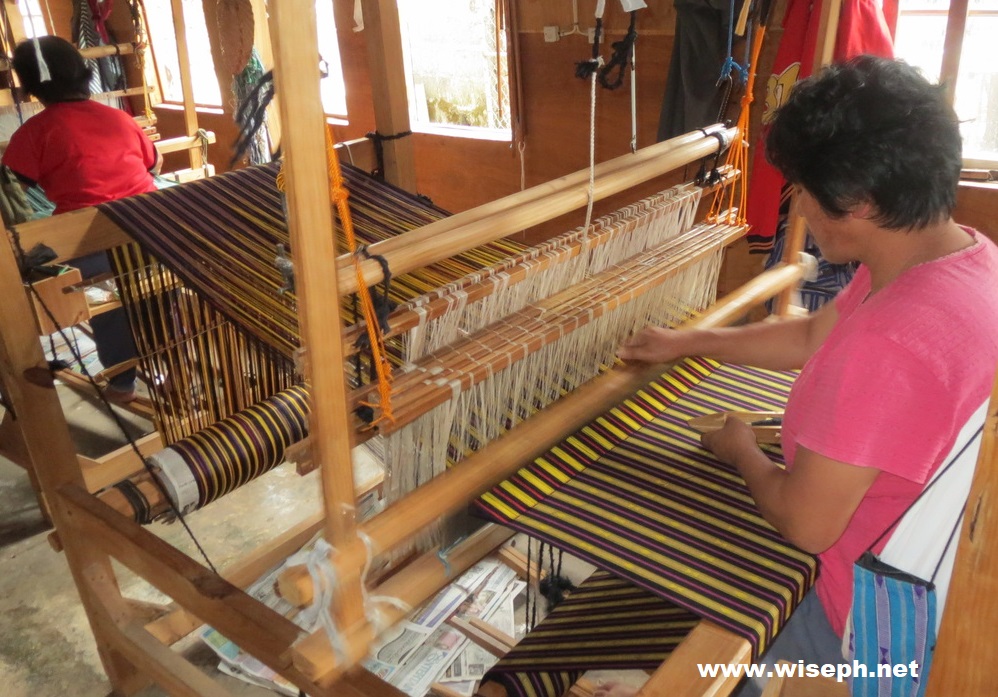
Sagada Weaving Center
Local weavers produce traditional Igorot textiles here using techniques passed down through generations. While there, you can watch them work and buy directly from the artisans. It is one of the more genuine cultural stops in the area, and one of the most overlooked.
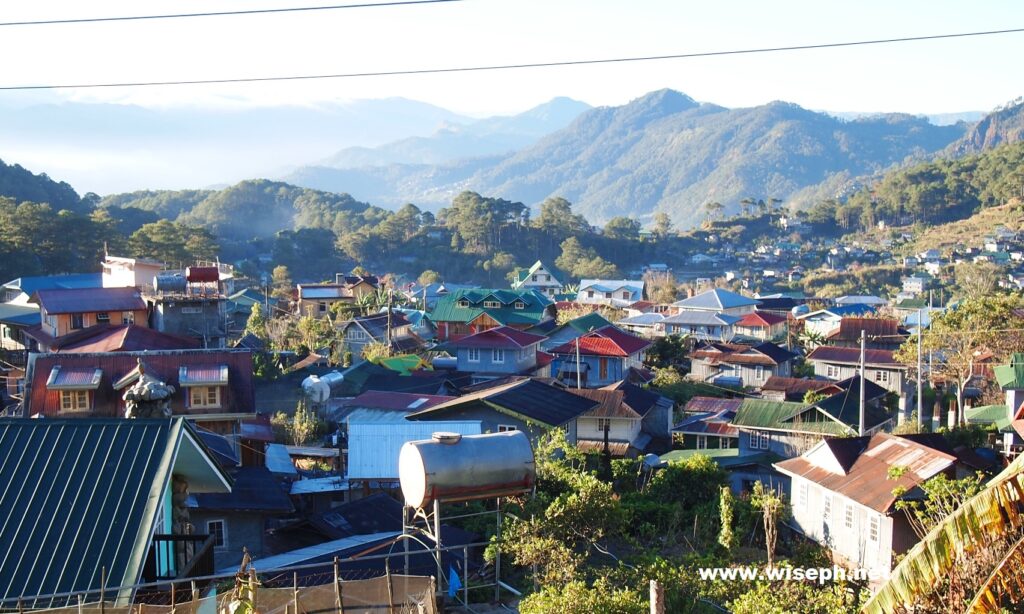
The Igorot Village
A cultural center showing traditional Igorot housing, tools, and practices. Good for families and first-time visitors who want context for everything else they will see in Sagada.
The hanging coffins: what to know before you go
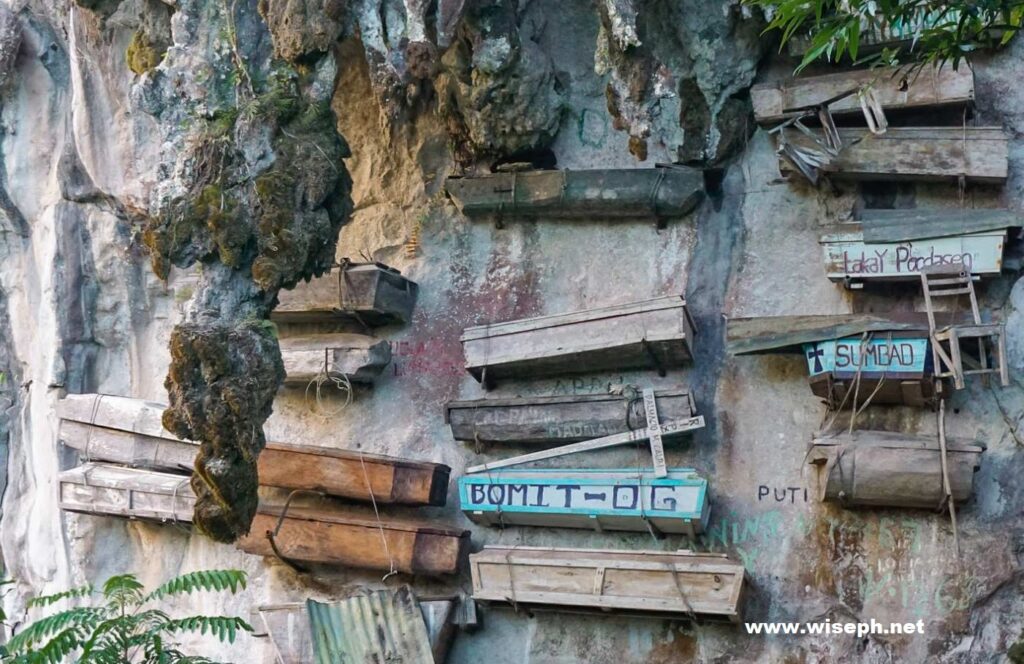
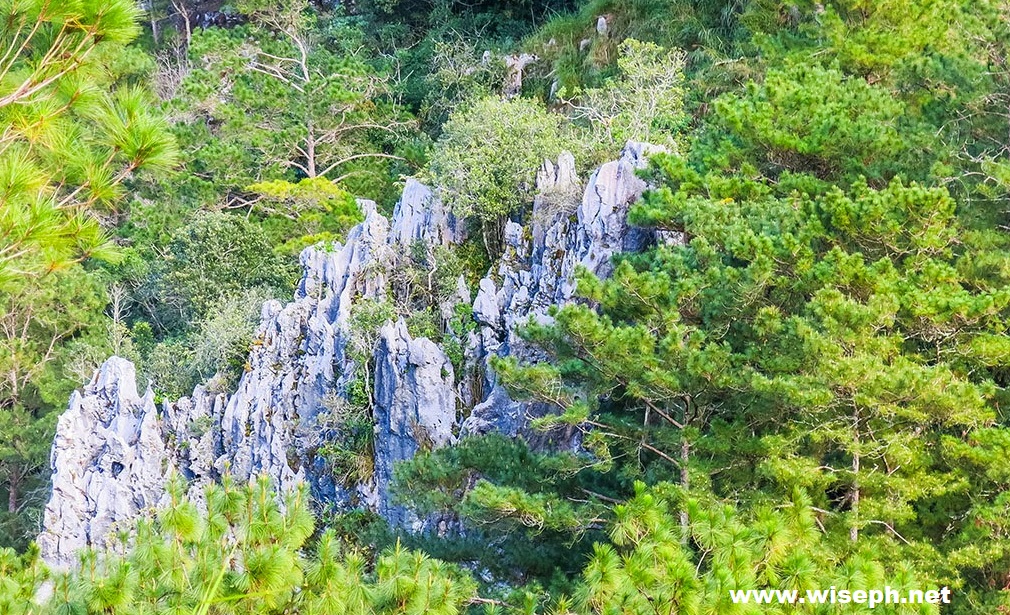
The hanging coffins of Sagada are one of the most recognized images in Philippine travel. In person, however, the experience is completely different from any photo.
Since ancient times, the Igorot people have practiced this burial tradition, placing the deceased in coffins attached to cliff faces. The belief is that positioning the body high above the ground brings it closer to ancestral spirits. Some of the coffins are hundreds of years old.
That said, friends who visited say the feeling is nothing like what they expected. “It felt more solemn than touristy,” one told me. “We kept our voices down without anyone asking us to.” That response is common. Ultimately, you are looking at a sacred burial site, not a viewpoint.
What you need to know before visiting:
- A local guide is required. Hire one at the Sagada Tourism Office before heading out.
- Do not touch the coffins, bones, or any burial remains.
- Access may be suspended during active burial or ritual events. The site is still part of living community tradition.
- Likewise, combine the hanging coffins with Echo Valley (the trail that leads to the site) in the same visit.
Kiltepan Viewpoint: worth waking up for?
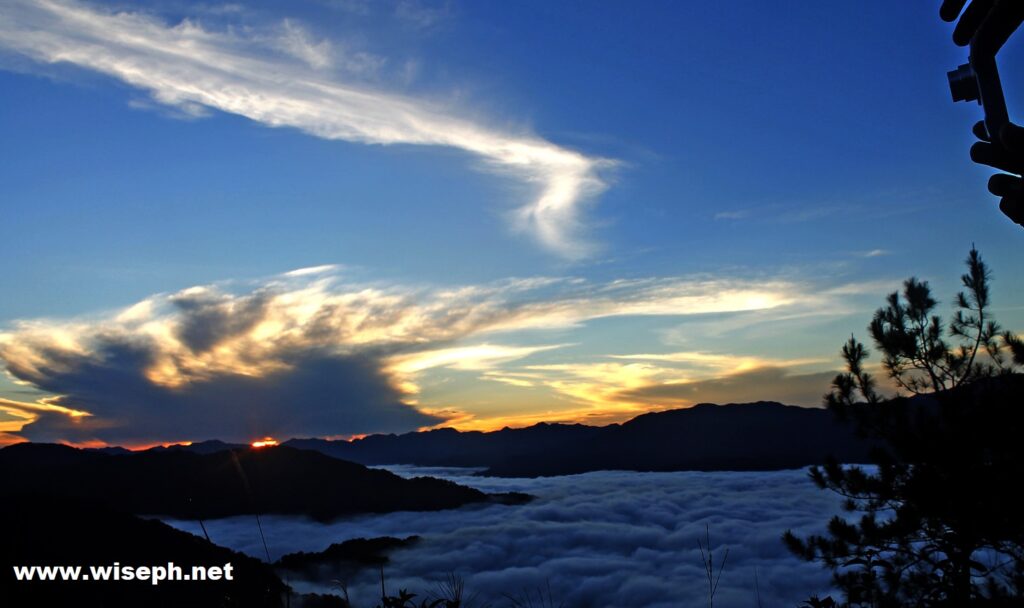
Kiltepan Viewpoint is famous for one thing: sunrise over a sea of clouds that fills the valleys below while the mountain peaks rise above. When conditions are right, it looks unreal.
But here is the honest version: it is not guaranteed.
Friends who woke up at 4am, made the cold trek, and arrived on time still came back to a wall of thick fog. No sea of clouds, no golden light. They said it was still a good experience, but the iconic shot was not there. Admittedly, that happens more often than travel content lets on.
Go with the right expectations. Check weather conditions the night before. If the clouds align, it is a moment you will bring up for years. If they do not, the viewpoint is still worth seeing. Best arrival time: 5:00 to 5:30am. Bring a jacket. Bring two.
Where to eat in Sagada
Sagada’s food scene is small, specific, and honest. Expect local food served simply, not a polished dining experience.
Local dishes to try
- Etag: salted, smoked Igorot pork with a strong, funky flavor. You will not find it outside the Cordillera. Try it at least once.
- Pinikpikan: a traditional chicken dish prepared through a specific Igorot ritual process. It is cultural food as much as it is a meal.
Food stops worth visiting
- Yoghurt House: the most consistently recommended breakfast stop in Sagada. Homemade yogurt, fresh options. Arrive early.
- Bana’s Coffee: slow coffee in a relaxed setting. Good for a mid-afternoon break between activities.
- Sagada Lemon Pie House: the most talked-about food stop online. Friends say it is good, not extraordinary. Worth trying for the experience, but manage the expectation.
- Gaia Cafe and Crafts: cozy café with local food and handmade crafts. A solid stop if you want to sit down and slow down.
- Log Cabin, Salt and Pepper, Happy House: reliable everyday dining options that multiple friends said made the trip feel complete.
Overall, Sagada’s food is part of the vibe, not the main event. Go expecting honest, local meals in a quiet setting and you will leave satisfied.
How to get to Sagada
Getting to Sagada takes effort. That is part of the experience.
As expected, the most common route is via Baguio City, which is the nearest major hub. From Manila, take a bus to Baguio first (6-8 hours), then connect from there.
- From Manila, take an overnight bus to Baguio City (6-8 hours). Several bus lines operate this route daily.
- From Baguio, take a Coda Lines bus to Sagada (approximately 5-6 hours). Alternatively, hire a private van for a more comfortable but more expensive option.
- The road to Sagada is winding and steep in sections. If you are prone to carsickness, sit near the front, take medication the night before, and avoid a heavy meal before boarding.
- Upon arrival, go directly to the Sagada Tourism Office to register and hire a licensed guide for your planned activities.
Worth noting: there is no airport in Sagada. All access is by road. Total travel time from Manila: roughly 11-14 hours depending on connections.
When to visit and what to pack
Visit from January to April. At that time of year, roads are safer, the weather is dry, and the sea of clouds at Kiltepan is more likely to appear. Avoid the rainy season. Besides, mountain roads in Sagada become genuinely dangerous when wet, and landslides can close routes without warning.
- Heavy jacket or thermal wear (mornings regularly drop to 8°C)
- Comfortable hiking shoes with good grip
- Swimwear and a change of clothes for cave tours
- Rain jacket even during dry season (mountain weather shifts fast)
- Enough cash for the full trip (ATMs in Sagada are limited)
- Motion sickness medication if winding roads affect you
- Headlamp or flashlight for cave tours
How many days do you need in Sagada?
At least 3 days. Friends who visited in 1-2 days say they rushed everything and left wishing they had stayed longer. That is the most common regret.
In the end, Sagada rewards people who give it time. Rush it, though, and you will miss the whole thing. Plan it right. Afterward, it will rank among the best trips you take in the Philippines.
If you are building a broader northern Luzon itinerary, consider adding Baey Anito Falls in Alilem, Ilocos Sur to your route on the way back. It is a hidden waterfall stop that most people drive past without knowing it is there.
For more travel guides across the Philippines, browse the Travel and Tourism section on WisePH.
Frequently asked questions about Sagada, Mountain Province
Is Sagada safe for tourists?
Yes. Sagada is generally safe and peaceful. Always hire a registered guide for cave explorations and trekking routes, and register at the Sagada Tourism Office upon arrival.
How cold does it get in Sagada?
Temperatures can drop to 8°C or lower during dry season mornings, particularly from December to February. Bring thermal layers and a heavy jacket regardless of when you visit.
Do I need a guide in Sagada?
Yes, for most major attractions. Guides are required for the caves, the hanging coffins, and several trekking routes. Hire accredited guides at the Sagada Tourism Office. Going without one is both risky and disrespectful to local protocols.
How do I get to Sagada from Manila?
Take an overnight bus from Manila to Baguio City (6-8 hours), then connect via Coda Lines bus to Sagada (approximately 5-6 hours). Total travel time from Manila is roughly 11-14 hours.
How many days should I spend in Sagada?
At least 3 days. Friends who visited in 1-2 days consistently say they felt rushed and left wishing they had stayed longer. Three days covers the main attractions without rushing. Four to five days is ideal.











Comments 2