


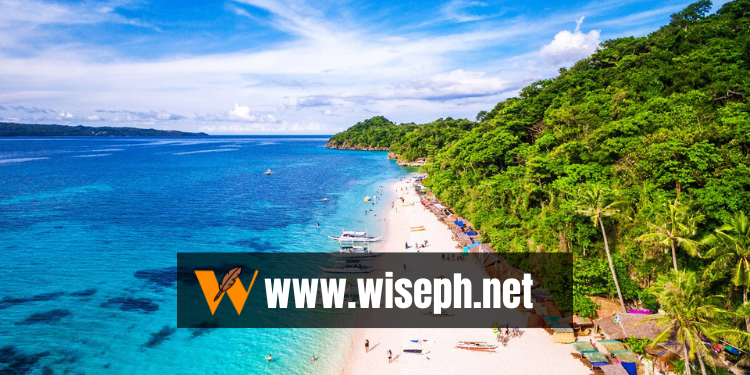
I’ve been to White Beach. The sunset there is one of those things that stays with you — calm water, orange sky, your feet buried in sand so soft it feels fake. No rocks to dodge, no coral to worry about. Just clean, powdery white as far as you can walk.
But Boracay has more than that strip.
Most visitors never get past White Beach and the row of bars behind it. That’s a perfectly fine trip. However, if you want to actually see the island, you need to get off the sand and explore what’s around it. I did. And the Dead Forest alone made me realize I had been underestimating Boracay for years. This guide covers all the top tourist spots, the honest 2026 budget picture, and the practical info most Boracay posts skip.
Why Boracay is still worth booking in 2026
Boracay remains one of the most rewarding beach destinations in the Philippines, even with higher costs in 2026. The 4-kilometer stretch of powdery white sand, crystal-clear water, and variety of activities still deliver exceptional value compared to other regional beach destinations.
Yes, fuel prices have risen sharply. As a result, flights, boat transfers, and tour prices are noticeably higher than a few years ago. Still, the island’s infrastructure, accessibility, and sheer range of things to do make it hard to beat as a Filipino summer destination. Whether you’re here for the beach, the activities, or the nightlife, Boracay delivers on all three.
If you’re also considering Palawan for your summer trip, our Palawan travel guide 2026 breaks down how the two destinations compare in budget and experience.
Best time to visit: Amihan, Habagat, and what it means for you
November to May is the best time to visit Boracay. This is Amihan season, when northeast trade winds keep White Beach calm, clear, and perfect for swimming. Most island activities run without disruption during these months.
Avoid June through October if you can. Habagat season brings southwest winds, rougher waves on White Beach, and conditions that push most water activities to Bulabog Beach on the opposite side of the island. Some tours get cancelled entirely during peak monsoon months.
| Season | Months | White Beach | Verdict |
|---|---|---|---|
| Amihan | Nov – May | Calm, clear, flat | Best time |
| Habagat | Jun – Oct | Rough, windy | Risky |
| Typhoon risk | Jul – Sep | Flights may be delayed | Avoid |
Even during Amihan, typhoons can still disrupt flights and boat transfers. First-time travelers often don’t account for this. Specifically, July to September carries the highest risk of cancelled connections from Manila or Cebu. Similarly, January is peak Amihan, meaning it’s the calmest month but also the most crowded and expensive.
One more thing worth noting: the Ati-Atihan Festival in nearby Kalibo happens every January. If you time your Boracay trip around it, you get a cultural experience on top of your beach trip. It’s loud, festive, and very Filipino — a completely different kind of memorable.
How to get to Boracay
There are two airports serving Boracay: Caticlan (MPH) and Kalibo (KLO).
Caticlan is the closer option. From the airport, a short tricycle ride takes you to the jetty port, then a 15-minute bangka crosses over to the island. Total transfer time from plane to island is about 45 minutes. Cebu Pacific and Philippine Airlines both fly here from Manila.
Kalibo is generally cheaper to fly into. However, it adds a 2-hour bus or van ride to the jetty port. Budget travelers often choose this route during promo season to save on airfare.
With fuel prices significantly higher in 2026, roundtrip airfare from Manila now runs ₱4,000–₱8,000 on promo fares. Add the bangka crossing, terminal fees, and environmental fees at roughly ₱500–₱700 per person each way. These costs add up faster than most trip calculators show.
How much does a Boracay trip cost in 2026?
A realistic budget for 3–5 days in Boracay in 2026 starts at ₱12,000 per person and goes up to ₱30,000 depending on your travel style. Fuel price increases have pushed transport and activity costs noticeably higher compared to previous years.
| Travel Style | Budget Range (3–5 days) | Daily Spend |
|---|---|---|
| Budget (hostels, local food, 1–2 activities) | ₱12,000–₱20,000 | ₱2,500–₱3,500 |
| Mid-range (3-star hotel, mix of dining) | ₱15,000–₱25,000 | ₱3,500–₱5,000 |
| Comfortable (beachfront resort, full activities) | ₱20,000–₱30,000 | ₱5,000–₱6,000+ |
Promo packages for 3D2N trips exist at ₱7,000–₱10,000, but those figures rarely include food, tours, and the small add-on fees that pile up fast. A safe planning figure is ₱15,000–₱20,000 for a first-time visitor who wants to enjoy the island without stressing every peso.
Flights are still the biggest cost driver. Catching a Cebu Pacific or AirAsia sale early can shave ₱2,000–₱4,000 off your total.
Paraw sailing: the best sunset experience on the island
A paraw is a traditional Filipino double-outrigger sailboat, and sailing on one at sunset off White Beach is the single most iconic experience Boracay offers. Nothing else on the island captures the same feeling.
Tours typically run 1 to 2 hours and cover the stretch of water just off White Beach. You watch the sun drop behind the horizon from the water, which is a completely different view from watching it on the sand. Most tours cost around ₱1,500–₱2,500 per person depending on the operator and whether you book a shared or private trip.
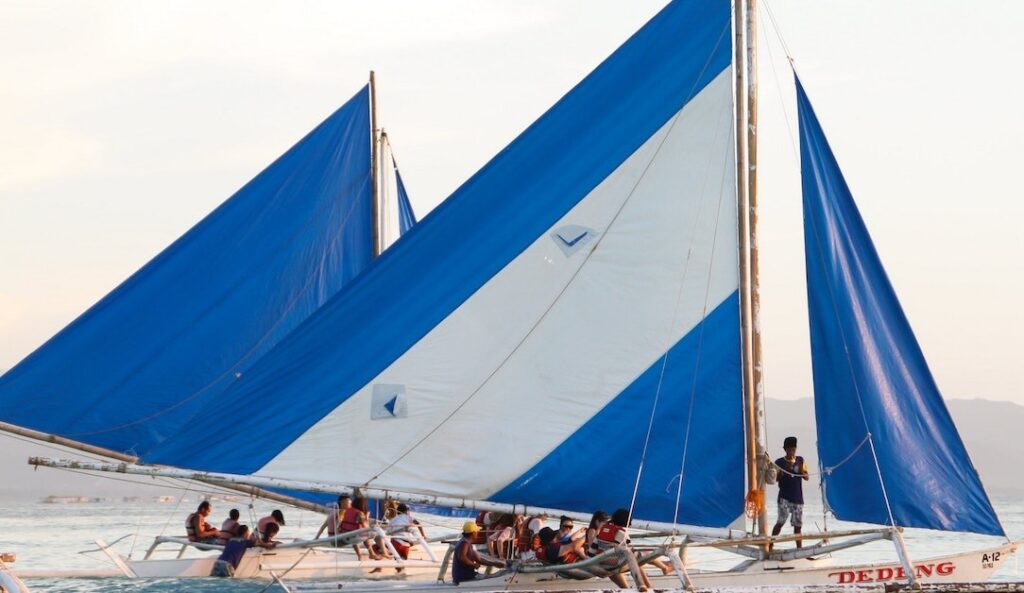
Book in the afternoon for a sunset departure. Operators are easy to find along the White Beach beachfront, specifically in Stations 1, 2, and 3. Prices have gone up slightly in 2026 due to fuel, so confirm rates directly with the boatman rather than booking through a third-party app.
If you’re traveling with a group, a private paraw charter runs ₱4,000–₱6,000 per boat and fits 6–8 people comfortably. Split across a group, it’s actually cheaper per head than a shared tour.
Mount Luho: the view that explains the whole island
Mount Luho is Boracay’s highest point at 100 meters above sea level, and the view from the top is the best way to understand the island’s full layout. You can see White Beach, Bulabog Beach, and the surrounding sea all at once. It puts the whole island in perspective.
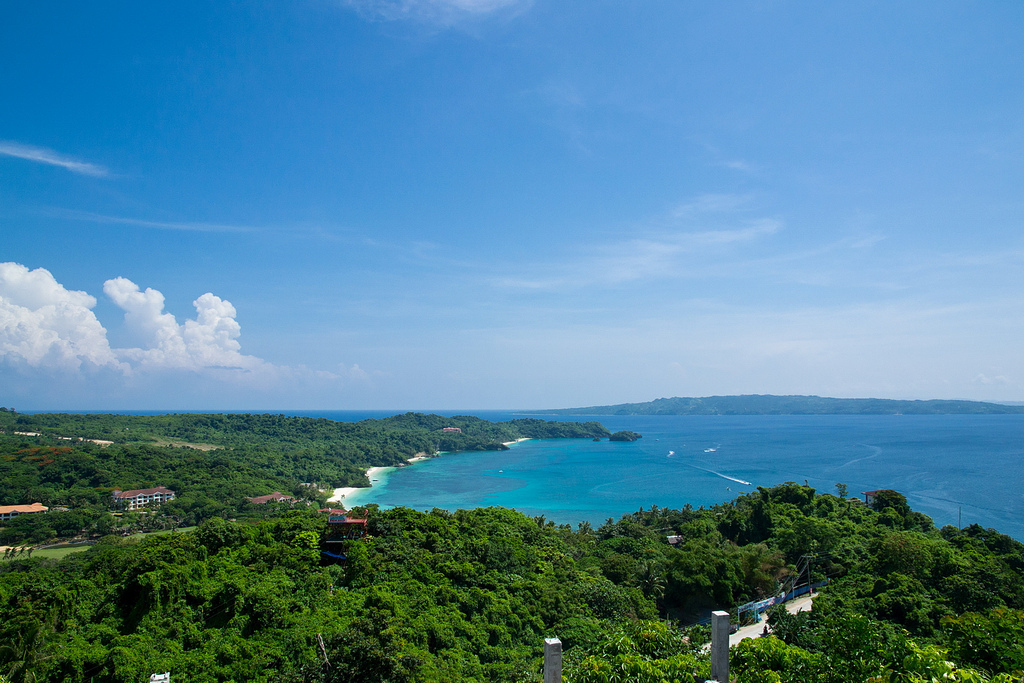
The hike is short but steep. Most people reach the top in about 20–30 minutes. There’s also a viewing deck accessible by ATV if you’d rather skip the climb. Either way, go early in the morning or late afternoon to avoid the midday heat.
Entrance fees are minimal, usually ₱50–₱100 per person. It’s one of the best value experiences on the island.
The hidden side of Boracay: Bat Caves, Laurel Island, and the Dead Forest
These three spots rarely make it into the standard Boracay itinerary. That’s a shame. Together, they show a side of the island that most tourists completely miss.
Bat Caves at Yapak
On the northeastern coast of Boracay near Yapak, a series of sea caves serve as home to thousands of bats. At dusk, they pour out of the cave openings in a dark, swirling mass, heading out to feed. It’s one of those natural spectacles that sounds unimpressive in a description but stops you in your tracks when you actually see it.
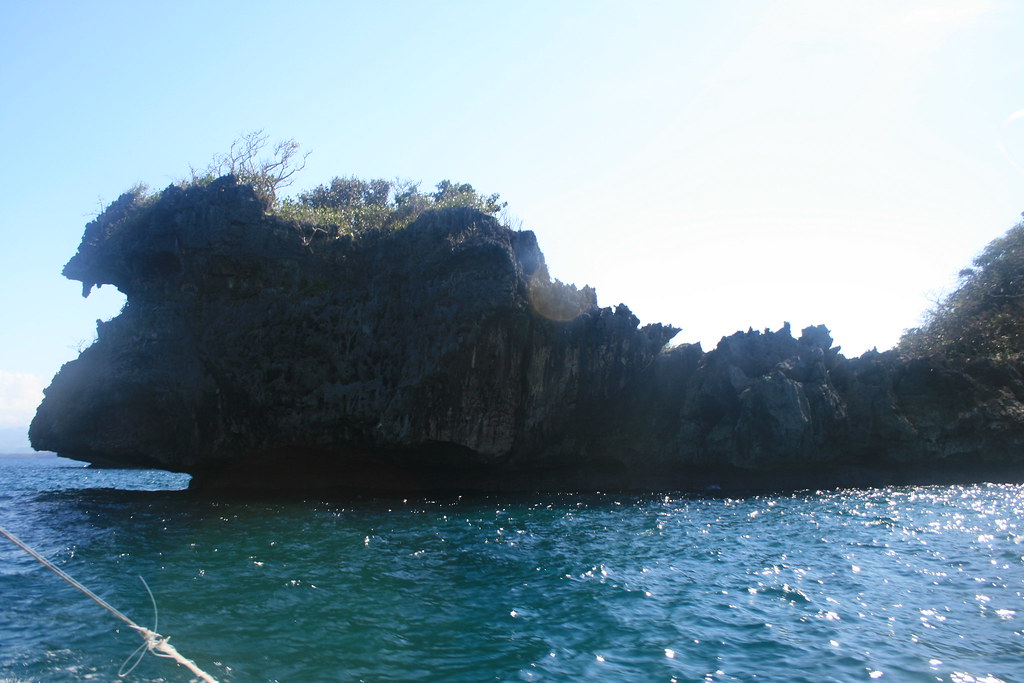
Most boat tours include a stop here. Alternatively, you can reach Yapak by tricycle if you prefer to watch from land. Go around 5:30–6:00 PM for the best viewing window.
Laurel Island
Laurel Island sits just off Boracay and is a regular stop on island-hopping boat tours. It has two small caverns you can explore, a circular nature trail with picnic areas, and a generally peaceful atmosphere that feels far removed from the White Beach energy.
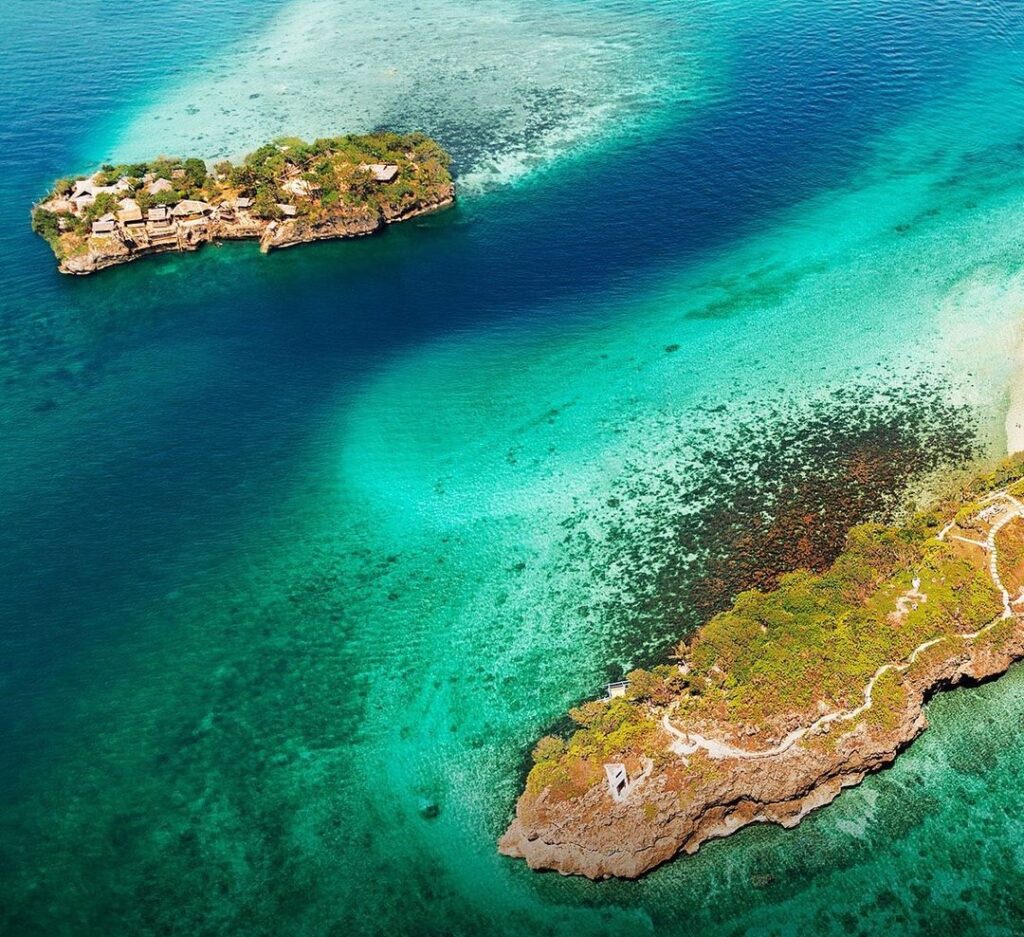
Fair warning: there are concrete animal statues along the trail that are, charitably speaking, not the island’s strongest feature. Focus on the caves and the picnic spots instead.
The Dead Forest
This one caught me completely off guard.
The Dead Forest is a stillwater pool surrounded by dead tree trunks rising out of the water. It’s quiet, a little eerie, and absolutely nothing like the rest of Boracay. In contrast to the buzzing beach scene five minutes away, it feels like a different island entirely. I genuinely didn’t expect to feel that unsettled by something so still.
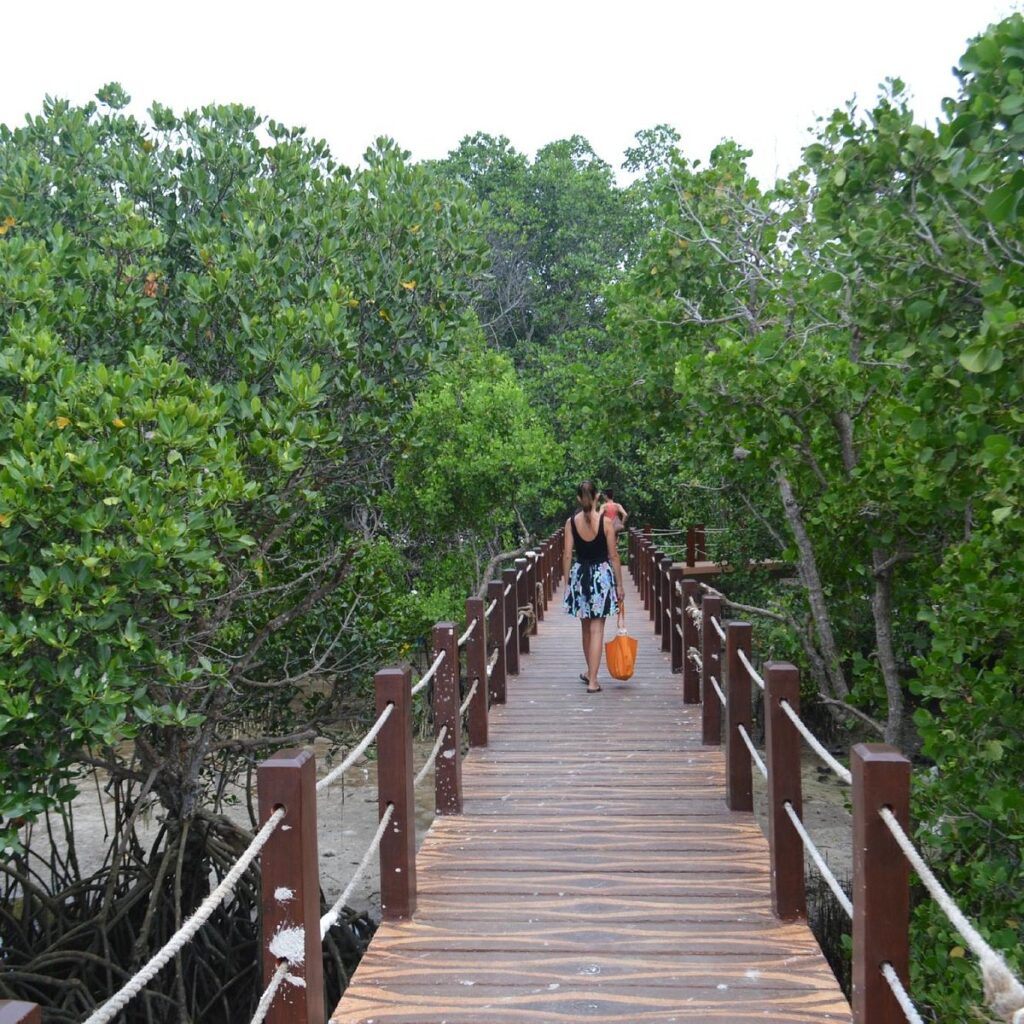
If you visit one off-the-beaten-track spot in Boracay, make it this one. It’s a short tricycle ride from White Beach and doesn’t take long to explore. But it sticks with you.
Boracay Butterfly Garden
On a 1,600-square-meter beachfront property at Bulabog Beach, the Boracay Butterfly Garden houses hundreds of live Philippine butterflies alongside more than 150 plant varieties. The nursery section lets you observe caterpillars and pupae up close, which is genuinely interesting if you’ve never seen that process in detail.
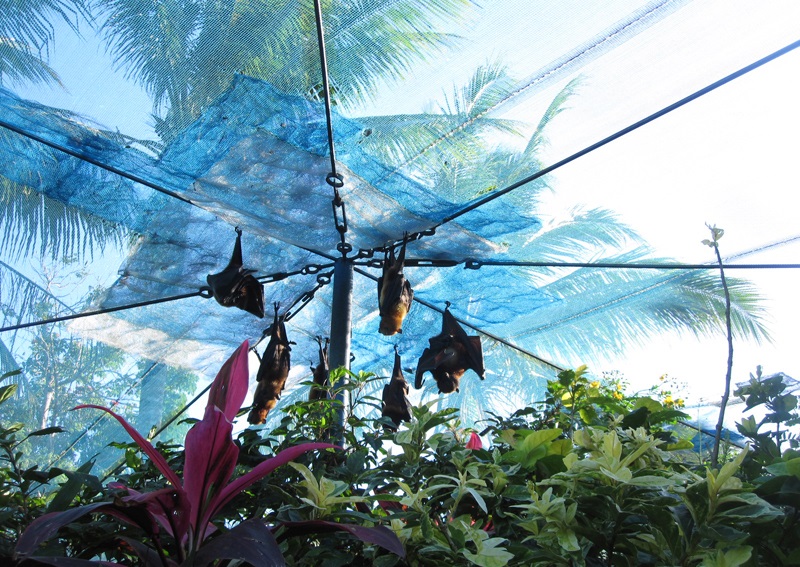
It’s a calm, low-key experience that works well as a morning activity before the beach gets crowded. Good for families with kids, couples who want something quieter, and anyone who wants a break from the water sports scene.
Travel tips most Boracay blogs skip
Budget for the extras. Tricycles, environmental fees, and activity add-ons are not included in most package prices. These costs accumulate fast — a tricycle ride here, a ₱150 entrance fee there, a ₱200 add-on for snorkel gear. Budget an extra ₱1,500–₱2,000 per day as a buffer beyond your planned expenses.
Check the wind season before you book. A lot of first-timers arrive during Habagat expecting the calm White Beach from Instagram, only to find rough waves and half the water activities unavailable. Specifically, check which beach will be active during your visit. During Habagat, Bulabog Beach on the eastern side becomes the main hub for kiteboarding and watersports.
No single-use plastics. Boracay enforces this strictly in most areas. Bring a reusable bag, a refillable water bottle, and leave the plastic at home. Some beach vendors and operators will turn you away if you show up with prohibited items.
Bring small bills. ₱20, ₱50, ₱100. Beachfront vendors, tricycle drivers, and small food stalls rarely have change for ₱500 or ₱1,000. Breaking your money at a convenience store or ATM on Day 1 saves a lot of awkward moments later.
For a completely different kind of Philippines adventure, our Sagada mountain travel guide is worth a read. And if you’re planning a longer island-hopping itinerary, check out our top 10 Ilocos tourist spots as a next destination.
Frequently asked questions
Is Boracay still worth visiting in 2026?
Yes. Costs have gone up due to higher fuel prices, but the island still delivers on its reputation. Four kilometers of white sand, a full range of activities, and strong tourism infrastructure make it hard to beat as a Filipino summer destination.
What is the best time to visit Boracay?
November to May (Amihan season) gives you the calmest White Beach conditions. Avoid June to October when Habagat winds make the main beach rough. July to September also carries typhoon risk that can disrupt flights and boat transfers.
How do I get to Boracay from Manila?
Fly to Caticlan (MPH) for the fastest transfer, then take a short tricycle ride and a 15-minute bangka to the island. Alternatively, fly to Kalibo (KLO) for cheaper fares, but factor in a 2-hour road transfer to the jetty port.
What is the difference between Amihan and Habagat?
Amihan brings northeast trade winds from November to May, keeping White Beach calm and flat. Habagat brings southwest winds from June to October, creating rough waves on White Beach and shifting activities to Bulabog Beach on the other side of the island.
How much does a Boracay trip cost in 2026?
Budget travelers can manage ₱12,000–₱20,000 for 3–5 days. Mid-range trips run ₱15,000–₱25,000. A comfortable beachfront stay with full activities reaches ₱20,000–₱30,000. Book promo airfare early — it’s the single biggest way to cut costs.
Ready to start planning your Boracay summer trip? Browse more Philippines travel guides on our travel and tourism blog.