

What makes Vigan Longganisa special?
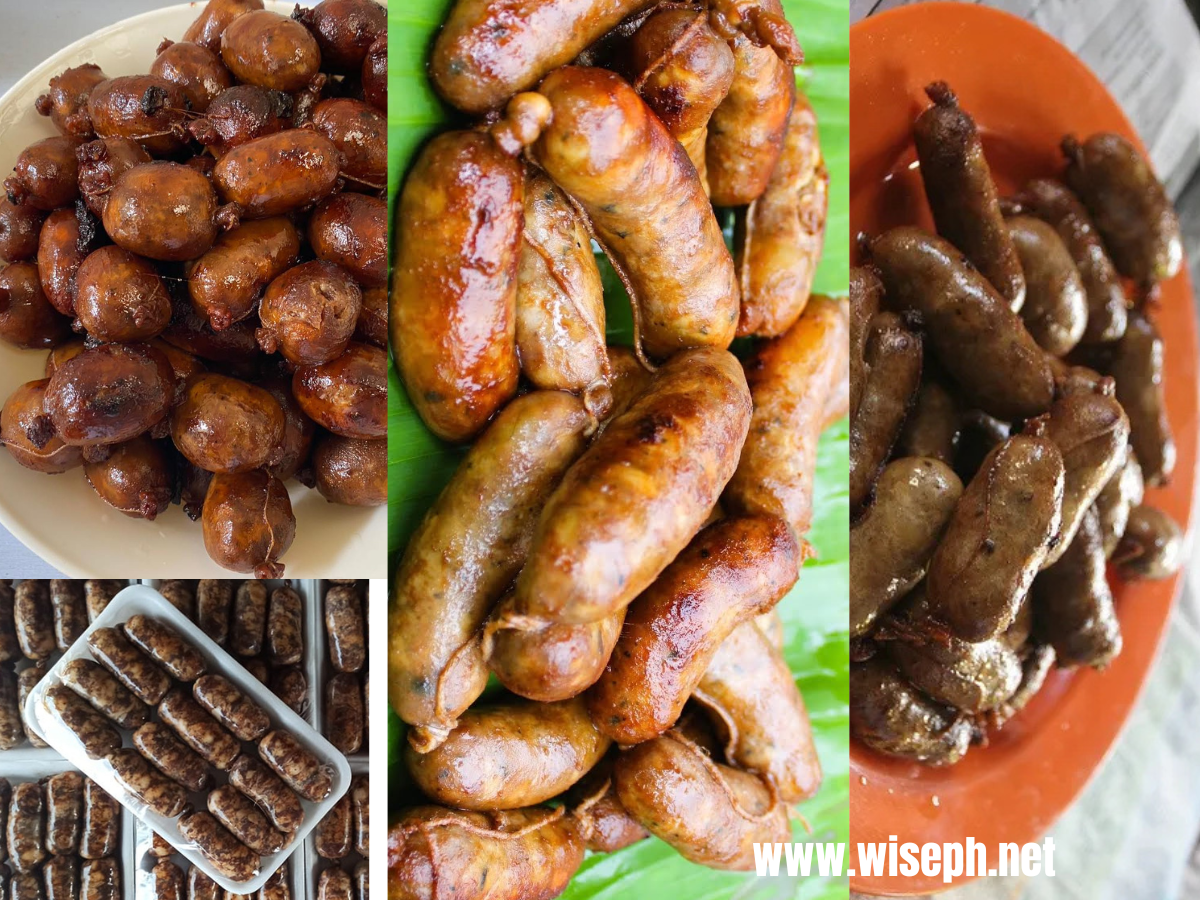
Vigan Longganisa is a cured pork sausage from Vigan City, Ilocos Sur. It’s salty, garlicky, and just a little sour. No sweetness, no sugar coating. Just bold, unfiltered pork flavor in a natural casing that snaps when you bite into it.
Most Filipino longganisa varieties lean sweet. Vigan’s version goes the other direction entirely. It belongs to the de recado style, which means it’s seasoned rather than sugared. The garlic goes in generously. Sukang Iloko adds a clean, mild tang. Meanwhile, the texture stays firm and juicy all the way through.
Vigan City is proud enough of this sausage to make it the city’s official One Town, One Product (OTOP) item. There’s even an annual Longganisa Festival held in Vigan every year. The sausage traces its roots to the Spanish colonial period, with historians linking it to Mexican chorizo brought through the Manila-Acapulco galleon trade.
| Feature | Vigan Longganisa |
|---|---|
| Flavor profile | Garlicky, savory, slightly sour |
| Sweetness | None (de recado style) |
| Texture | Firm, juicy, natural casing snap |
| Signature ingredient | Sukang Iloko |
| Official recognition | Vigan City OTOP |
What is Vigan Longganisa made of?
Vigan Longganisa is made from ground lean pork, coarsely ground pork fat, garlic, sukang Iloko, soy sauce, annatto, onions, bay leaves, black pepper, and salt. The mixture is stuffed into natural hog casings and air-dried before cooking.
Two ingredients define the flavor above everything else: garlic and sukang Iloko. The garlic goes in heavily, way more than what most standard sausage recipes call for. The native cane vinegar adds that slight sour bite the sausage is known for. Some recipes add a small amount of brown sugar to balance the vinegar, but it stays minimal. This is not a sweet sausage.
| Ingredient | Role |
|---|---|
| Ground lean pork | Base protein |
| Coarsely ground pork fat | Richness and juiciness |
| Garlic | Primary flavor, used generously |
| Sukang Iloko | Sour tang and natural preservative |
| Annatto | Color and mild earthiness |
| Soy sauce | Saltiness and umami |
| Bay leaves | Depth of flavor |
| Black pepper | Mild heat |
| Hog casings | Natural casing, creates snap texture |
Why is Vigan Longganisa sour?
The sour taste comes from sukang Iloko, a native sugarcane vinegar from the Ilocos region. It goes directly into the meat seasoning, not as a marinade applied afterward. The vinegar serves two purposes: it adds flavor and acts as a natural preservative for the air-dried sausage.
In fact, a lot of food blogs overdramatize this. When I first tried Vigan Longganisa from a market in Laoag, I expected something aggressively sour based on everything I had read. It wasn’t. The garlic hits first. The sour note follows: mild, clean, and brief. In practice, it’s more of a finishing touch than a defining flavor.
Air-drying time also affects how sour the final product tastes. A longer dry produces a more concentrated tang. Fresh market batches tend to be milder. Commercially packed versions vary depending on the producer and storage time.
Why sukang Iloko is different from regular vinegar
Sukang Iloko is made from sugarcane juice fermented in clay pots. It has a milder, rounder acidity compared to regular white cane vinegar. That’s why it works so well in the sausage; it adds tang without being sharp or harsh. Furthermore, sukang Iloko is also the traditional dipping vinegar for most Vigan food, so the same flavor carries through the entire meal.
How to cook Vigan Longganisa the local way
No oil, no butter. Here’s how locals cook it:
- Place the longganisa in a pan and add enough water to partially submerge them.
- Cook over medium heat until the water fully evaporates.
- Once the water is gone, the sausage fries in its own rendered fat.
- Let it brown on all sides. Don’t rush this step.
However, most online recipes skip step one entirely. The water cooks the sausage through gently before the frying starts, so the garlic inside doesn’t burn before the meat is done. It also gradually renders out the fat, which gives you a natural, even fry at the end. As a result, you get a sausage that’s browned on the outside and still juicy inside.
For the sawsawan, go with sukang Iloko loaded with thinly sliced onions and crushed garlic. Serve with plain white rice. That combination of garlicky sausage, sharp vinegar dip, and plain rice is one of the best simple breakfasts in the Philippines. Sounds plain on paper. In practice, it’s the kind of meal you think about long after the trip is over.
How does Vigan Longganisa compare to other regional varieties?
Vigan Longganisa is the least sweet of the major regional longganisa varieties in the Philippines. In contrast, most other regional sausages add sugar to their recipes. Here’s a direct side-by-side look:
| Variety | Flavor | Texture | Signature note |
|---|---|---|---|
| Vigan (Ilocos Sur) | Garlicky, savory, slightly sour | Firm, juicy | Sukang Iloko, no sweetness |
| Lucban (Quezon) | Garlicky, herby | Dense, rustic | Oregano-forward |
| Cabanatuan (Nueva Ecija) | Mildly sweet and savory | Softer | Sweeter profile |
| Alaminos (Pangasinan) | Mildly garlicky | Bite-sized, firm | Smaller, milder |
The clearest contrast is with Lucban Longganisa. Both are garlicky, but Lucban has a distinct oregano aroma you can smell before you even taste it. Vigan, on the other hand, is pure garlic with a vinegar finish. Similarly, compared to Cabanatuan, which is soft and slightly sweet, Vigan feels much bolder and more rustic. Once you’ve tried them side by side, you won’t mix them up again.
What food is Vigan known for?
Vigan is a UNESCO World Heritage City with a food culture that goes well beyond longganisa. The cobblestone streets and Spanish-era architecture are the backdrop. Honestly, though, most people come for the food first.
Here are the must-try Vigan delicacies:
- Bagnet:Deep-fried pork belly with skin so crispy it shatters on contact. Dipped in vinegar with garlic. Locals often eat this right alongside longganisa for a fully Ilocano breakfast.
- Empanada Ilocos:A deep-fried, orange-tinted turnover filled with longganisa, egg, and vegetables. Best eaten fresh off the griddle when the shell is still crunchy.
- Poqui Poqui:Grilled eggplant cooked with eggs and tomatoes. Smoky, soft, and mild. It’s a solid counterbalance when everything else on the table is bold and salty.
- Pinakbet:Bitter melon, eggplant, squash, and okra cooked with bagoong and bagnet. Earthy, savory, and unmistakably Ilocano.
- Chichacorn and Okoy:Lighter bites. Chichacorn is fried glutinous corn. Okoy is a crispy shrimp and vegetable fritter. Both make good pasalubong.
For more guides on Filipino regional delicacies from across the country, the WisePH delicacies section covers food from Luzon to Mindanao.
Where to buy the best Vigan Longganisa
If you can only pick one stop, go early. The Vigan Public Market is the best starting point, and the window is between 6 and 8 in the morning. Some stalls cook longganisa right there on-site. The smell of garlic and sizzling pork fat in the cool Ilocos morning is enough to redirect any breakfast plans you had.
For a more atmospheric stop, walk along Calle Crisologo during breakfast time. Small eateries serve longganisa with sinangag and egg. It’s more touristy than the public market, but the food is still genuinely good. Eating on that old cobblestone street with the Spanish-era buildings around you adds something to the experience that’s hard to describe.
If you’re in Laoag instead, the Laoag City Public Market is where locals buy in bulk. Arrive early and you’ll sometimes catch vendors still preparing fresh batches. That’s your sign you’re getting the real thing, not a repackaged version from elsewhere.
If you’re planning a trip to Vigan, build your first morning around the market. Most tourist spots in the city open later in the day. The freshest longganisa, however, is gone well before 9 AM.
Frequently asked questions about Vigan Longganisa
What is Vigan Longganisa made of?
It’s made from ground lean pork, pork fat, garlic, sukang Iloko, soy sauce, annatto, onions, bay leaves, black pepper, and salt. The mixture goes into natural hog casings and is air-dried before cooking. Specifically, the garlic and native vinegar are the two ingredients that define the flavor most.
Why is Vigan Longganisa sour?
The sour flavor comes from sukang Iloko, a native Ilocano sugarcane vinegar mixed directly into the meat seasoning. It’s not as sour as many blogs claim. The garlic hits first; the vinegar adds a mild finishing tang rather than an aggressive sourness.
What food is Vigan known for?
Vigan is known for Vigan Longganisa, Bagnet, Empanada Ilocos, Poqui Poqui, Pinakbet, Chichacorn, and Okoy. Each dish reflects the Ilocano tradition of bold, savory flavors built around pork, vinegar, and garlic.
How is Vigan Longganisa different from other longganisa?
It’s the least sweet of the major regional varieties. Compared to Cabanatuan (mildly sweet), Lucban (oregano-forward), and Alaminos (smaller and milder), Vigan is purely garlic and vinegar. No sugar coating, no herby notes. Just bold, savory pork.
Where can I buy authentic Vigan Longganisa?
The Vigan Public Market is the best option, between 6 and 8 AM. Alternatively, try the small eateries along Calle Crisologo or the Laoag City Public Market if you’re in Laoag. Arrive early. The freshest batches are gone before 9 AM.
Is Vigan Longganisa worth trying?
Forget the “world’s sourest sausage” framing. Vigan Longganisa is bold, garlicky, and satisfying in a way that’s specific to this part of the Philippines. The sourness is real but measured. The garlic is the actual story.
Eat it fresh from a Vigan or Laoag market early in the morning, cooked in its own fat, with sukang Iloko and plain white rice. That’s when it makes the most sense. And that’s when it earns every bit of the reputation it has.